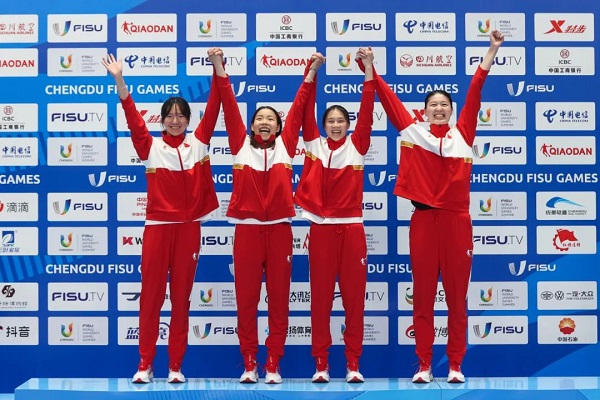
FISU World University Games
Introduction
The FISU World University Games, also known as the Universiade, represent an international sports and cultural festival held every two years for university athletes from around the world. Organized by the International University Sports Federation (FISU), the Games have become an important platform for young athletes to showcase their talents on a global stage. The FISU World University Games consist of two main editions: the Summer Games and the Winter Games, featuring a wide array of sports and cultural activities designed to foster international cooperation and understanding through sport and education.
History
The history of the FISU World University Games dates back to the mid-20th century, with the first official Universiade held in 1959 in Turin, Italy. The Games were initiated to offer university students an opportunity to compete at an international level and to promote friendship and cooperation among young people from diverse cultural backgrounds. Over the years, the Games have grown in scope and significance, attracting thousands of participants from universities worldwide. The event has seen significant milestones, including the introduction of new sports and an increasing emphasis on cultural exchange and educational initiatives.
Organization
Structure
The organizational structure of the FISU World University Games involves multiple key elements, including FISU, the host city, and various national university sports federations. FISU is responsible for overseeing the overall management and governance of the Games, ensuring they align with the federation's objectives and standards. The host city plays a crucial role in organizing and executing the Games, managing logistics, venue preparation, and local coordination. National sports federations work closely with FISU and the host city to facilitate the participation of their athletes and support the Games' operational needs.
Events
The FISU World University Games comprise a wide range of events, including athletic competitions, cultural activities, and educational programs. The sports competitions are divided into mandatory and optional sports, with the host city having the flexibility to include additional sports based on regional interest. Cultural events often reflect the host city's heritage, offering participants and attendees a chance to immerse themselves in local traditions and customs. Educational initiatives aim to promote dialogue and learning among students, covering topics such as sports science, sustainability, and international cooperation.
Sports
Summer Games
The Summer FISU World University Games feature an extensive lineup of sports, typically including athletics, swimming, basketball, fencing, football, and gymnastics, among others. The event provides university athletes with a stage to compete at high levels and gain international exposure. Each edition of the Summer Games may also introduce sports that resonate with the host city's culture, allowing for a unique and varied program. The Summer Games have historically served as a stepping stone for many athletes who later achieve success in major international competitions, including the Olympics.
Winter Games
The Winter FISU World University Games focus on sports suited to colder climates, such as alpine skiing, ice hockey, figure skating, and curling. The Winter Games provide a platform for student-athletes to demonstrate their skills in winter sports disciplines, fostering a spirit of camaraderie and competition. Like their summer counterpart, the Winter Games also incorporate cultural and educational activities, enhancing the experience for participants and promoting a broader understanding of the diverse cultural backgrounds represented at the event.
Participation
Eligibility
Eligibility for the FISU World University Games is primarily determined by the athlete's status as a university student. Participants must be enrolled in a recognized institution of higher education and typically fall within a specified age range, usually between 17 and 28 years old. This criterion ensures that the Games remain a true representation of university-level competition, providing students with the opportunity to engage in sport at an international level while pursuing their academic studies.
Nations
The FISU World University Games attract participation from countries around the globe, with national delegations comprising athletes, coaches, and officials. Each country's university sports federation is responsible for selecting and preparing their teams for the Games, reflecting the depth of talent and competitive spirit within university sports programs worldwide. The event fosters international cooperation and cultural exchange, as athletes from diverse nations come together to compete and share their experiences.
Host Cities
Host cities of the FISU World University Games take on significant responsibilities, from infrastructure development to event management. Each city has the opportunity to highlight its unique attributes, promoting tourism and international recognition. The selection of host cities involves a comprehensive evaluation process by FISU, considering the city's ability to provide suitable venues, accommodations, and support services for a successful Games.








